
Est. reading time: 4 minutes
You’re not paid to babysit inboxes, but manual follow-ups make it feel that way. Every “just circling back” siphons minutes, disrupts deep work, and bloats your mental overhead. If you’re still nudging people by hand, you’re training your calendar to prioritize other people’s delays over your own momentum.
Stop Chasing Replies: Automate or Fall Behind
Outcomes don’t happen because you remembered to ping at 3:17 p.m.—they happen because your system doesn’t forget. Automation shifts follow-ups from personal vigilance to predictable execution, ensuring that critical nudges happen regardless of your bandwidth or mood. If results matter, reliability beats heroics every time.
Meanwhile, manual chasing scales like a paper map in a storm. The busier you get, the more messages slip, the more opportunities stall, and the more fire drills you create for future you. Automation is not about being impersonal; it’s about being consistent when stakes rise and time shrinks.
Teams that automate touchpoints compound speed. Deals close faster because reminders are systematic, projects move because handoffs are tracked, and stakeholders respond because timing is precise. In a world where follow-through is currency, automation is compound interest.
Every Manual Nudge Steals Time You Can’t Recoup
A single follow-up isn’t just a 30-second task—it’s a context toll. You have to recall the thread, re-scan the details, craft the tone, and re-enter the task you abandoned. Add that up across a day, and you’ve donated an hour to friction with nothing to show but a sent email.
Worse, manual nudging creates invisible inventory in your head: “Did I ping Sam?” “Who’s waiting on me?” That cognitive ledger burns energy you could invest in strategy, creative work, or client impact. The time cost is obvious; the attention tax is the real thief.
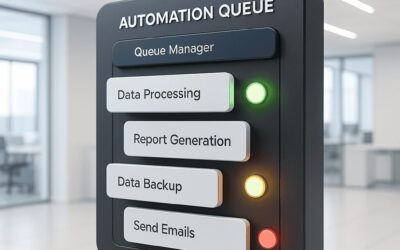
Automation converts those micro-tasks into a queue the machine handles, freeing you to do the parts only you can do—decisions, insights, relationships. When the system does the remembering, your calendar stops hemorrhaging minutes, and your work regains its edge.
Context Switching From Follow-Ups Destroys Focus
Deep work and manual follow-ups coexist like oil and water. Every “quick check-in” pulls you out of flow, fragments your thinking, and forces a costly re-entry into complex problems. Your best ideas don’t survive a dozen micro-interruptions before lunch.
Fragmentation also lowers quality. You move faster but see less, miss dependencies, and ship sloppier work. When attention is chopped into confetti, you compensate with longer hours, not better output. That isn’t productivity—it’s presenteeism.
Automated follow-ups create focus sanctuaries. Batch responses, define quiet hours, and let workflows handle nudges while you protect concentration. Focus is your advantage; guard it with systems, not self-control.
Design a System: Let Workflows Do the Reminding
Start by standardizing triggers. If no response in three business days, send a polite nudge. If an approval is due tomorrow, alert the owner at 9 a.m. If a handoff occurs, assign the next task automatically. The rules should be boring, visible, and enforced by software.
Build reusable templates that carry context forward—who, what, why, and next step—so every reminder is clear and actionable. Pair them with structured data: due dates, owners, status. The goal isn’t robotic messages; it’s frictionless clarity that moves work without you pushing.
Close the loop with dashboards and SLAs. Let your system report what’s pending, what’s overdue, and who’s blocking progress. You shouldn’t wonder where things stand; your workflow should tell you—and nudge the right person—before you ask.
Manual follow-ups are not diligence; they’re drift disguised as effort. Put machines on the hamster wheel and put your mind back where it belongs—on the work that creates value. Automate the nudges, reclaim your focus, and let your system do the remembering so you can do the thinking.