Est. reading time: 4 minutes
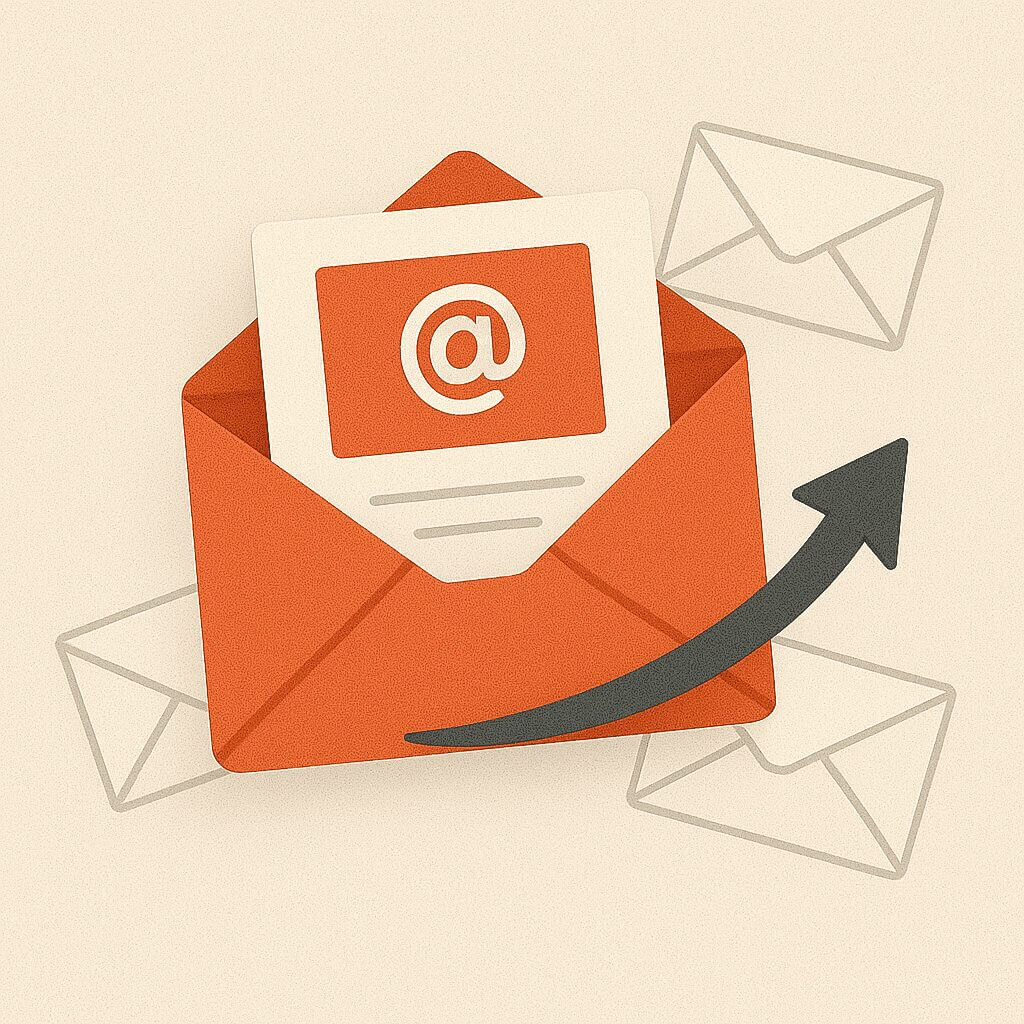
Your inbox is a runway. When you announce new products or in-store events with intention, email turns curiosity into footfall and footfall into revenue. Master the craft—command attention upfront, personalize the invitation, display irresistible visuals, then measure everything and iterate. Done right, your message won’t just be opened; it will be acted on.
Command Attention: Tease New Products in Subject Lines
Lead with the promise of “new,” but sharpen it with specificity. “Just In: The Linen Blazer You’ll Wear All Summer” beats “New Arrivals” because it telegraphs a hero item and a seasonally relevant use case. Pair it with a purposeful preheader—“Early access in-store this weekend”—so the full inbox preview tells a complete story.
Engineer curiosity without being coy. Use tension (“Two new shades, one weekend”), social proof (“Bestseller, now reimagined—limited sizes”), or urgency (“48-hour first look at Store Name”). Keep it mobile-native: under 45 characters when possible, emojis sparingly and meaningfully, and front-load keywords shoppers care about (category, brand, benefit).
Test relentlessly. A/B subject lines by angle (benefit vs. scarcity), format (with vs. without brackets), and personalization (“Emma, your new run starts here”). Track not just open rate—now noisy with privacy changes—but downstream metrics: clicks, RSVPs, redemptions, and revenue. The winning subject line is the one that drives store visits, not just attention.
Segment and Personalize Invitations to In-Store Events
Treat your invite like a velvet rope. Segment by store radius, past category affinity, loyalty tier, and recency. A sneaker drop invitation should prioritize customers who clicked footwear in the last 90 days; a skincare masterclass should target skincare purchasers and beauty-curious browsers. Exclude those outside a realistic travel zone to preserve budget and sender reputation.
Personalize beyond first names. Dynamic blocks can swap event times by local store, feature the most relevant new arrival per user, and display inventory that’s actually available in their preferred location. Offer tiered access—VIP preview from 9–10 a.m., general entry after—so loyalty status feels earned and visible.
Make RSVP frictionless and data-rich. Use one-click RSVP buttons tied to the subscriber’s ID, confirm via calendar holds, and send reminders with unique QR passes. Capture intent signals (preferred time slot, interest in categories) to inform staffing and demos. If capacity is limited, implement waitlists and automatic overflow invites to nearby stores.
Showcase New Arrivals: Visuals That Drive Footfall
Your visuals should sell the trip, not just the product. Lead with a bold hero image that communicates the drop’s mood and seasonality, followed by lifestyle scenes that show context of use. A tight edit beats a catalog—three to five standout items with clear value props and price anchors. Make the in-store exclusives visually distinct.
Design for the inbox reality. Use fast-loading images, crisp crops, and alt text that reads like micro-copy (“New Linen Blazer—try in-store Friday”). Build for dark mode and image-off scenarios with live text for key details (dates, times, store address) so the message remains legible when images are blocked. Animated GIFs can add motion, but cap file sizes.
Show the path to the door. Embed a map thumbnail with “Tap to navigate,” list store hours prominently, and provide “Add to Calendar” links. Include a scannable pass or QR code for early access or gift-with-purchase to create urgency and trackability. Keep a single primary CTA above the fold—“Preview in Store Saturday”—with secondary links for details below.
Measure RSVPs, Redemptions, and Revenue—Then Refine
Choose metrics that prove store impact. Track RSVP rates, check-ins via QR/pass scans, coupon redemptions, and POS revenue attributed to the campaign. Tie transactions to email IDs or loyalty numbers to measure not just same-day sales but repeat visits and category expansion. Use control groups to estimate incremental lift over baseline traffic.
Instrument the journey. Add campaign-specific barcodes or promo codes, UTM-tag all click paths (e.g., to store locator pages), and sync event attendance back to your ESP/CRM. Compare send-time cohorts, subject line variants, and segment performance. And because open rates are inflated by privacy protections, prioritize click-to-visit and in-store conversion.
Close the loop fast. Within 48 hours, send a thank-you recap with add-on recommendations for attendees, and a FOMO-driven follow-up to non-attendees (“Last chance to try the collection in-store this week”). Roll insights into your next drop: adjust invitation timing, refine geo-radius, rebalance SKU mix in visuals, and recalibrate incentives to lift margin, not just volume.
Email is your launchpad, not your landing zone. Tease with precision, invite with relevance, show what matters, and measure what counts. Do this consistently, and every announcement becomes a line out the door—by design, not by chance.