
Est. reading time: 4 minutes
Your customers are already writing your next high-performing SEO pages. Every question they ask is a signal; every objection is a headline; every “how do I…” is a blueprint for traffic that converts. Stop guessing what to publish. Mine the voice of the customer, structure it with intent, and ship content designed to win the SERPs and the sale.
Turn Real Customer Questions into Content Gold
Start where the truth lives: support tickets, sales call transcripts, chat logs, community threads, review comments, and competitor Q&A pages. Pull the raw text, not summaries. Verbatim phrasing reveals the exact words people type into search bars—and the anxieties that push them there.
Tag each question by theme (pricing, integration, setup, troubleshooting, alternatives, ROI), stage (awareness, consideration, decision, post-purchase), and emotion (confused, skeptical, urgent). Patterns will pop fast: repeated blockers, misunderstood features, missing comparisons. That’s your content backlog—prioritized by frequency and business impact.
Keep the customer’s wording intact. If they say “X vs Y for small teams,” don’t rename it “A comparative analysis of X and Y.” Answer the question as asked, immediately and directly, then expand. This “quote-to-copy” fidelity earns featured snippets, boosts time on page, and makes prospects feel seen.
Build SEO Pillars from FAQs, Not Guesswork
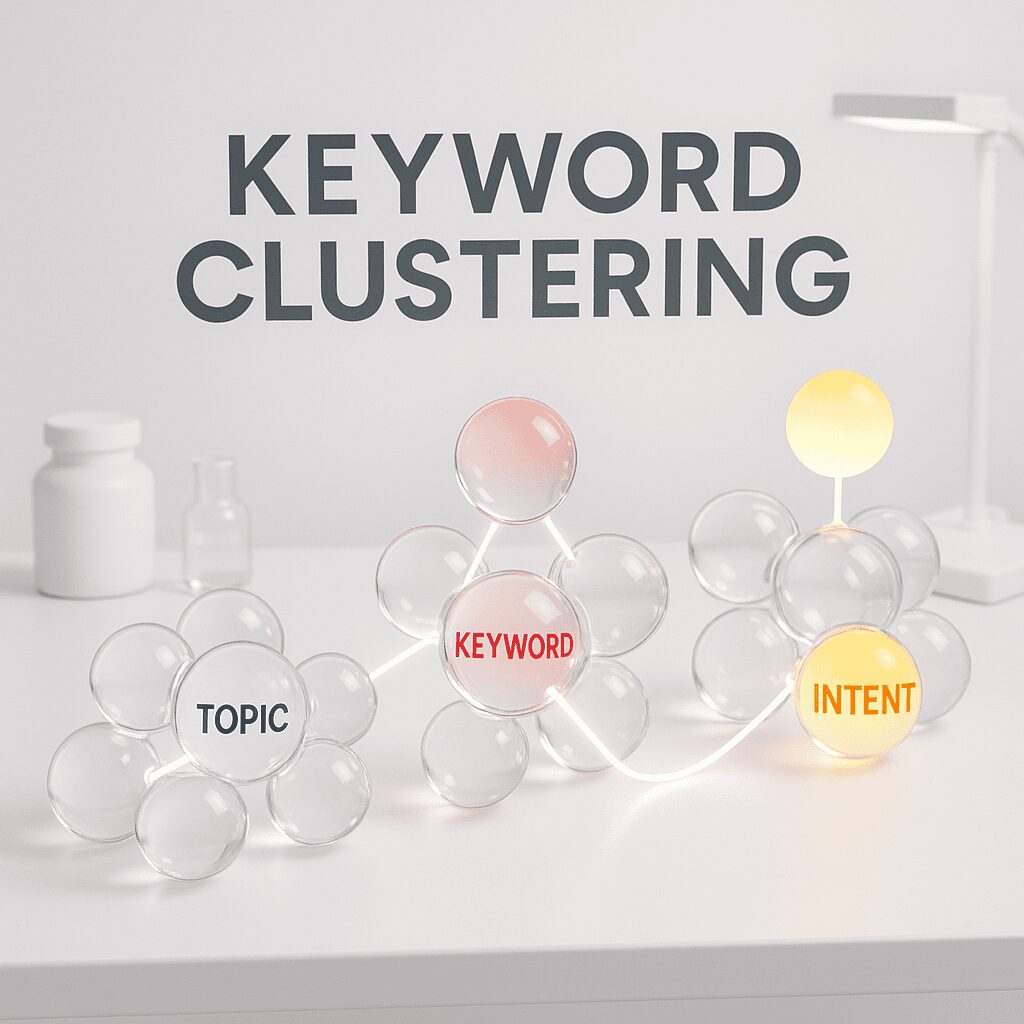
Cluster the questions into a hub-and-spoke architecture. One authoritative pillar page per core problem, supported by focused answers that go deep on subtopics: tutorials, comparisons, templates, calculators, and troubleshooting guides. Internal links flow from spokes to pillar and across related spokes to signal topical authority.
Design each pillar to be the definitive resource. Introduce the problem, summarize the key answers, and embed jump links to the best spokes. Add FAQs pulled from your logs, surface related guides, and include product tie-ins only where they help the reader solve the problem faster.
Skip “tool-first keyword lists” that don’t reflect reality. Your FAQs are demand you already own; keyword tools validate scale and variants, not strategy. Use them to expand synonyms, discover adjacent intents, and set difficulty expectations—then let customer questions dictate the content plan.
Map Questions to Keywords, Intent, and Format
For every question, choose a primary keyword rooted in the customer’s phrasing, plus secondary variants that match common alternatives. Check the live SERP: What ranks? Which features appear—People Also Ask, video, comparisons, local packs? The SERP tells you the bar for relevance and the format to beat.
Assign intent with a simple matrix: informational (learn), commercial (evaluate), transactional (buy), and support (fix). Map formats accordingly. Informational gets how-tos and explainers; commercial gets comparison and “best” pages with pros/cons; transactional gets landing pages with proof; support gets step-by-step guides with screenshots or short videos.
Engineer for snippets and clarity. Lead with the direct answer in the first 40–60 words. Use crisp H2/H3s that mirror the sub-questions. Add schema where it fits: FAQPage, HowTo, Product, and Review. Optimize titles for both ranking and CTR: include the question, the result, and a differentiator (“How to Migrate X to Y in 30 Minutes: A Zero-Downtime Guide”).
Publish, Measure, Iterate: Own the SERPs
Ship on a cadence. Link new spokes from pillars, update sitemaps, and request indexing. Ensure speed, clean UX, mobile friendliness, and accessibility are non-negotiable. If the SERP shows video carousels, publish a complementary 90-second walkthrough and embed it on-page.
Measure what matters. In Search Console, track queries, impressions, clicks, and average position per question cluster. In analytics, monitor assisted conversions, scroll depth, and help-center deflection. Watch CTR against position to prioritize title/meta tests; stale CTR is fixable traffic on the table.
Iterate relentlessly. Expand answers to cover emerging PAA queries, add missing formats (template, calculator, checklist), and prune or consolidate underperformers to protect topical authority. Keep a living “Question-to-Content” dashboard shared with support and sales. When customers evolve, your content evolves—fast enough to outrun competitors and capture every intent.
The path is simple and unforgiving: listen harder than anyone, organize smarter than anyone, and publish faster than anyone. Real customer questions are your SEO moat and your conversion engine. Turn them into pillars, map them to intent, and iterate until you rule the results page—and the market.