Est. reading time: 5 minutes
Your welcome sequence is not a polite hello. It’s the shortest path from “nice to meet you” to “take my money.” In Mailchimp, you can turn that path into a dependable machine—one that greets, qualifies, educates, and converts with ruthless clarity. Here’s how to architect a welcome journey that sells on purpose, not by accident.
Define Your Customer Journey, Then Own It
Start by mapping the exact moments a new subscriber experiences with your brand: the promise that got them to opt in, the anxieties they feel before buying, the triggers that nudge them over the line, and the milestones that turn them into loyalists. Label those moments with intent signals—the lead magnet they chose, the category they browsed, the discount they used—so your welcome sequence addresses reality, not a fantasy funnel.
In Mailchimp, make that map actionable. Standardize your audience fields (source, product interest, lifecycle stage), apply tags at signup, and group subscribers by motivation. Connect e-commerce and site tracking so you can see browse behavior, cart events, and purchase data inside the platform. When you know who came from where and what they want, your welcome is no longer generic; it’s surgical.
Own the journey by declaring the business outcomes you expect: first purchase within seven days, average order value above a target, and a clear path into your post-purchase and loyalty flows. Put those goals on the wall. Your welcome sequence is not a newsletter; it’s a conversion program. Treat it like one.
Design a Mailchimp Welcome Flow That Sells
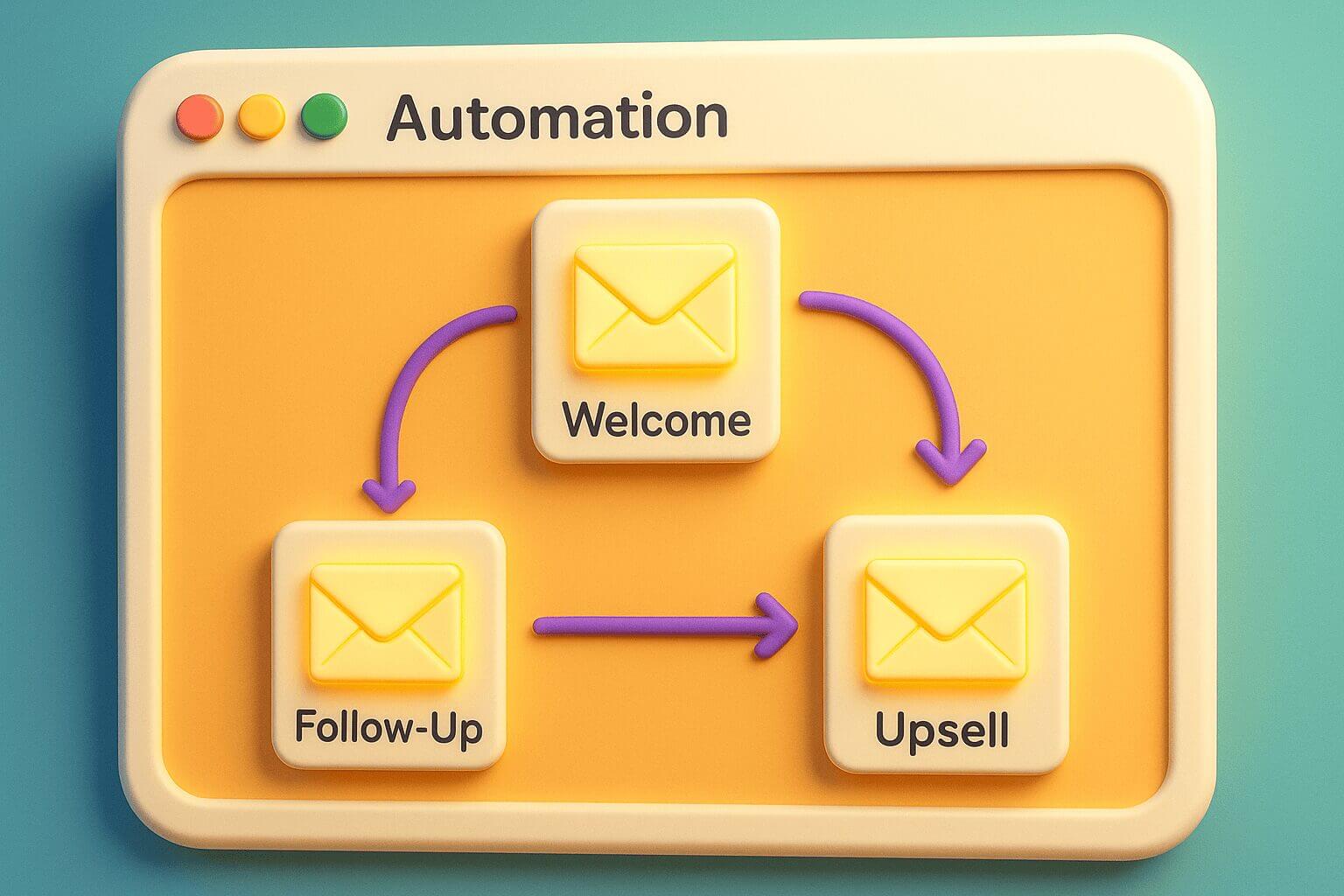
Build your automation in Mailchimp’s Customer Journey using a single entry trigger—“joins audience” or “tag added”—then branch deliberately. Separate high-intent subscribers (checkout opt-in, product quiz takers) from cold leads (blog signup) and route them down different tracks. Add a purchase-based rule so buyers exit the promo track and enter a post-purchase experience immediately.
Structure the “money emails” logically: Email 1 delivers the promised asset and sets expectations; Email 2 clarifies the problem and positions your solution; Email 3 showcases proof and outcomes; Email 4 carries the first hard offer; Email 5 handles objections and comparisons; Email 6 recommends a starter bundle or cross-sell. Layer in Mailchimp’s product recommendation block for e-commerce, dynamic content for different interests, and conditional sections that hide or reveal offers by tag.
Protect deliverability and trust from day one. Authenticate your sending domain, use a consistent from name, and include a minimal plain-text version. Link to a preference center so subscribers can tune frequency. If your audience or region demands it, enable double opt-in. The best offer in the world won’t convert from the spam folder—do the unsexy work that keeps you out of it.
Craft Emails: Timing, Triggers, and Offer Hooks
Timing wins deals. Send Email 1 instantly while intent is hot. Follow up at 24–36 hours with the problem-solution narrative, and again at 72 hours with social proof. Drop the offer between days 4–6, then a final nudge at day 7–10. Pause the sequence automatically if a purchase happens or if a subscriber shows low engagement, and resume with a lighter touch or value-only content. Use Mailchimp’s send time optimization for edge gains, but never at the expense of sequence logic.
Use triggers like a scalpel. Fire different messages when a subscriber views a product, starts checkout without finishing, or clicks on a category multiple times. Tag coupon users so you don’t send them a redundant discount. If your store is connected, trigger browse and cart-based messages from within the same journey so your welcome, remarketing, and first-purchase objectives don’t fight each other.
Make the offer impossible to ignore without racing to the bottom on price. Trade discounts for commitment: bundles with built-in savings, free shipping thresholds, limited-quantity bonuses, or a fast-action upgrade. Service brands can swap in a short audit, a template pack, or a strategy call. Anchor your CTA to a singular next step and repeat it; every extra link competes with your sale.
Measure, Optimize, and Scale Conversion Wins
Judge the sequence by money and momentum. Track revenue per recipient, first-purchase conversion rate, time-to-first-purchase, and average order value. Watch unsubscribe and complaint rates as guardrails, and review cohort performance by signup week to catch decay early. Add UTM parameters to every link and connect your analytics so you see assisted conversions, not just last-click vanity.
Test like you mean it. Use journey splits to run 50/50 offer tests, cadence tests, and creative tests. Keep your sample sizes clean, run for a fixed period, and calculate lift, not just differences. Hold out a small control that receives value-only content with no incentive; the incremental revenue over that control is the truth you scale.
When something wins, double down. Roll the winning offer to the adjacent segment, port the creative to your retargeting ads, and extend the journey with post-purchase onboarding that tees up the second sale. If a segment underperforms, tighten targeting, clarify the promise on your signup touchpoints, or shorten the sequence. Scale is not “more emails”—it’s more relevance at higher throughput.
Your Mailchimp welcome sequence is your brand’s handshake, elevator pitch, and closing call rolled into one controlled system. Map the journey, architect the flow, tune the timing and offers, and let the numbers choose your next move. Do it right, and every new subscriber becomes a predictable revenue event—not a hopeful lead.