
Est. reading time: 4 minutes
Your email list isn’t dead; it’s dehydrated. In 30 days, you can bring it back to life with surgical diagnostics, magnetic messaging, ruthless segmentation, and hard-nosed measurement. This is a battle plan, not a daydream—follow it step by step and watch a “ghost list” turn into a revenue engine.
Stop the Rot: Diagnose Your Dying List Fast
Start by running a complete health check in the first 72 hours. Verify your sending domain with SPF, DKIM, and DMARC, then check reputation via postmaster dashboards and inbox placement tools. If your infrastructure is flimsy, everything else collapses—fix it now or your emails will keep disappearing into spam purgatory.
Next, clean the list. Remove hard bounces, role accounts (info@, admin@), obvious spam traps, and addresses inactive for 12+ months unless they’ve purchased recently. Create engagement bands by last activity: 0–30 days, 31–90 days, 91–180 days, 181–365 days, and 365+; this becomes your segmentation spine for the month.
Finally, stabilize sending. Pause blasts. Warm up gradually: send small, highly engaged cohorts first to rebuild sender reputation. Shift to plain-text or lightly designed templates, cut links to essentials, and cap sends to 1–2 per week while you collect signals. The goal: reestablish consistent opens, clicks, and near-zero complaints.
Spark Interest: Craft Irresistible Re-Opt-In Hooks
If people ghosted you, you must re-earn the right to speak. Lead with a single, undeniable promise: save money, save time, learn faster, or get exclusives others can’t. Wrap it in a clean re-permission message: “We’ve saved your seat—want in?” with a one-click “Yes, keep me” and a preference center link to choose topics and frequency.
Offer a high-contrast incentive without cheapening your brand. Think beyond discounts: a 7-day mini-course, VIP inventory alerts, a private webinar, a template vault, or early access drops. Put a countdown on the offer (7–10 days), state what happens if they don’t respond (sunset), and be explicit about what they’ll receive going forward.
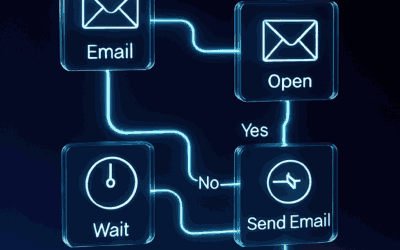
Build a tight, 4-email reactivation sequence over 10 days. Email 1: plain-text note from a real person, quick re-opt-in button, zero fluff. Email 2: value delivery (your best resource) plus preferences. Email 3: social proof and outcomes. Email 4: “last call” with deadline and reassurance that silence equals respectful removal. Keep subject lines sharp and human: “Still want this?”, “I kept this for you”, “Closing your tab.”
Segment Ruthlessly, Personalize Like a Pro
You’re not reviving a list—you’re reviving segments. Split by recency, acquisition source, content interest, and purchase stage. Treat a 45-day quiet subscriber very differently from a 365-day dormant lead. Create a “high-likelihood reactivators” segment (recent activity, high CLV, strong source) and prioritize them for early sends.
Personalize without creeping people out. Use zero-party data (self-declared interests), recent page categories, and purchase history to dynamically swap headlines, product modules, or content blocks. Keep the skeleton the same; change the muscles. The more the content mirrors their last known intent, the higher your odds of a click that rewires inbox placement in your favor.
Automate micro-journeys by segment. For near-recent cohorts, send helpful, habit-forming sequences (tips, quick wins). For mid-dormant groups, lead with a compelling single outcome and a light incentive. For long-dormant, run a “courtesy closeout” re-permission flow only; if they don’t bite, suppress them. Every send must have a job: reactivate, qualify, or retire.
Measure, Prune, and Scale Wins by Day Thirty
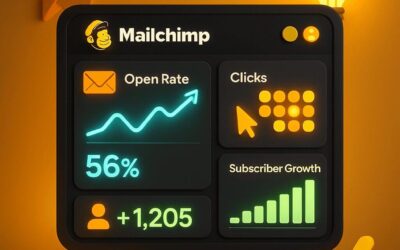
Decide your scoreboard on Day 1 and do not move the goalposts. Track deliverability (inbox rate, spam rate), engagement (opens, clicks, reply rate), and business outcomes (trial starts, revenue per recipient). Set thresholds: if an email drives >0.3% complaints or <0.5% clicks across multiple sends, stop that variant and investigate.
Prune aggressively to protect reputation. Hard bounces: immediate removal. 365+ day inactive with no purchases: suppress after the re-permission deadline. Chronic non-openers at 180+ days: sunset unless they interact with a preference center email. This isn’t cruelty; it’s hygiene. A smaller, cleaner list outperforms a bloated, rotting one.
By Day 30, scale the winners methodically. Increase volume to engaged segments first, then cautiously expand to adjacent cohorts. Double down on top-performing hooks, keep the preference center front-and-center, and convert your reactivation sequence into a permanent automation for future at-risk subscribers. Lock in a monthly re-engagement pulse and a sunset policy so your list never drifts into the ICU again.
Reviving a “dead” list isn’t magic—it’s discipline. Diagnose with precision, earn re-permission with irresistible value, speak to segments like they’re real people, and let data govern what lives or dies. Do this for 30 days and you won’t just revive your list—you’ll harden it into a durable growth channel that compounds.