
Est. reading time: 5 minutes
Your sales floor has walls; your customer relationship shouldn’t. An automated welcome email series turns every in-store hello into an ongoing, measurable conversation that drives repeat visits, higher basket sizes, and loyalty you can bank on. If your point of sale captures an email and your inbox stays silent, you’re leaving revenue—and relationships—on the table.
Brick-and-Mortar Meets Inbox: Welcome, Automatically
The moment a shopper completes a purchase is the moment you earn permission to continue the dialogue. Modern point-of-sale systems can capture consented emails via e-receipts, QR codes at checkout, and loyalty enrollments—instantly triggering a welcome series that lands in the inbox while the positive store experience is fresh. The result is continuity: a warm brand handoff from counter to customer, without relying on anyone to remember a manual follow-up.
Automation ensures your message is consistent across locations, shifts, and seasons. Store teams change; brand standards shouldn’t. Plug your POS into your email service provider or CRM, map the event that starts the journey (purchase, sign-up, or e-receipt), and let a prebuilt series deliver the right story to every new subscriber, every time.
Speed is your advantage. A well-timed first email outperforms a generic newsletter blast and compounds brand recall from the in-store visit. You move from hope-and-memory marketing to systemized, measurable relationship-building—turning a single transaction into the start of a profitable lifecycle.
Automated Welcomes Turn Receipts into Loyalty
A smart welcome starts with gratitude and clarity. Email one should say “thanks,” include the e-receipt, and set expectations: returns policy, care instructions, and how to reach your local store. Add a human touch—store manager sign-off, a photo of the storefront—and you’ve extended the personality of your shop into the inbox.
Email two deepens value. Teach them how to get the most from what they bought, then suggest complementary products based on that purchase: the polish for the leather boots, the filter for the espresso machine, the frame for the print. Invite them to join your loyalty program or create an account, highlighting benefits that matter in-store—early access, free alterations, anniversary perks.
Email three brings them back. Offer a time-bound “bounce-back” incentive redeemable on their next visit, promote a local event or workshop, and include practical details: nearest store map, hours, and click-to-call buttons. Encourage a review or ask for a quick preference survey to personalize future emails. In three touches, a receipt becomes a relationship and a habit.
Data, Timing, and Offers: The Conversion Engine
Timing is non-negotiable. Send the first email within 30 minutes of checkout, while the experience is still vivid. Follow up 48–72 hours later with education and cross-sells, then add a 7–14 day reminder with a bounce-back incentive before the post-purchase glow fades. This cadence aligns with real shopper behavior—recency fuels opens, relevance drives clicks, and urgency converts.
Let data do the heavy lifting. Segment by product category, spend tier, store location, and whether the shopper is new or returning. Use dynamic content to swap in relevant imagery, accessories, and recommendations. Layer in context—local weather, seasonality, inventory availability, even appointment slots—and you transform generic emails into concierge-level service at scale.
Offers should feel valuable, not desperate. Use finite, clear incentives (e.g., 15% off a complementary item within 10 days) or value adds (free tailoring, gift wrap, extended returns) that encourage an in-store return. Track what matters: revenue per recipient, in-store redemptions via unique barcodes, appointment bookings, and list growth. A/B test subject lines, send times, and creative—but keep a frequency cap and honor consent requirements and regional regulations.
From Counter to Customer: Build the Series Now
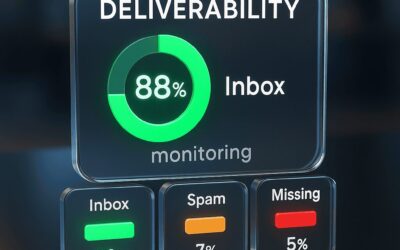
Start with plumbing. Audit your POS for email capture and explicit opt-in, then connect it to your ESP or CRM via a native integration or middleware. Map the trigger event (purchase or sign-up), pass key fields (items bought, store location, spend), and test in a pilot store to validate data flow, timing, and deliverability before scaling.
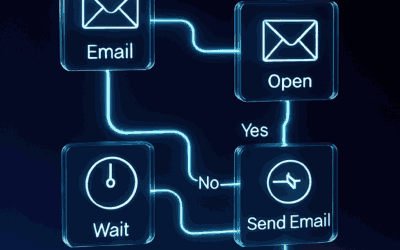
Draft a tight three-to-five email arc. Email 1: Thank you, e-receipt, returns info, store contact. Email 2: Care tips, how-to content, complementary recommendations, loyalty or account creation. Email 3: Bounce-back offer, local event or appointment booking, map and hours. Email 4 (optional): Social proof and reviews. Email 5 (optional): Referral program. Keep it personal—feature local staff, real photos, and a tone that matches your storefront.
Operationalize and measure. Train cashiers with a one-sentence opt-in script, place QR codes at checkout, and add signage that makes the value obvious. Define success metrics—repeat visit rate, days to second purchase, RPR, and redemption rate—then roll out on a 30–60–90 day plan across locations. Implement frequency caps, suppression rules, and compliance standards (e.g., CAN-SPAM, CASL, GDPR as applicable). Done right, this isn’t a marketing experiment—it’s a revenue system.
The door chime brings them in; your welcome series brings them back. In a world where attention is rented and foot traffic is earned, automation is the most reliable way to turn first purchases into lasting loyalty. Build the flow once, keep refining, and let your inbox become the most profitable aisle in your store.